
Why Late Summer Is a Good Time to Check Your Roof
Northeast Ohio roofs go through a lot over the course of a year. Spring and summer can bring heavy rain, thunderstorms, high winds, hail, heat, and strong UV exposure. Before long, those conditions give way to falling leaves, colder temperatures, freezing rain, snow, and repeated freeze-thaw cycles.
Late summer and early fall provide a good opportunity to identify small roofing problems before winter weather makes them more difficult—or more expensive—to address.
Here are some of the most important areas homeowners should pay attention to.
1. Look for Signs of Shingle Damage
You don't need to climb onto your roof to spot some common problems. From the ground, look for shingles that appear missing, lifted, cracked, curled, or noticeably out of place.
Summer storms and high winds can loosen shingles without immediately causing a leak. A damaged shingle may remain in place while no longer providing the same protection it once did.
Also check your gutters and downspouts for an unusual amount of shingle granules. Some granule loss is normal as a roof ages, but excessive loss can be a sign that the shingles are deteriorating or have been affected by severe weather.
If something doesn't look right, have the roof inspected rather than attempting to walk on it yourself.
2. Pay Attention to Flashing and Roof Penetrations
Many roof leaks don't begin in the middle of an open section of shingles. They develop around areas where the roofing system changes direction or meets another part of the home.
Common problem areas include:
-
Chimneys
-
Plumbing vents and pipe boots
-
Skylights
-
Roof-to-wall intersections
-
Valleys
-
Exhaust vents
These areas rely heavily on properly installed flashing and sealants to direct water away from vulnerable openings. Cracked sealant, loose flashing, corrosion, or deteriorated components can create an entry point for water.
Finding these problems before winter is especially important because snow and ice can make existing weak points more vulnerable to moisture intrusion.
3. Clean and Inspect Your Gutters
Your gutters are an important part of your roofing system because they move water away from the roof, fascia, siding, and foundation.
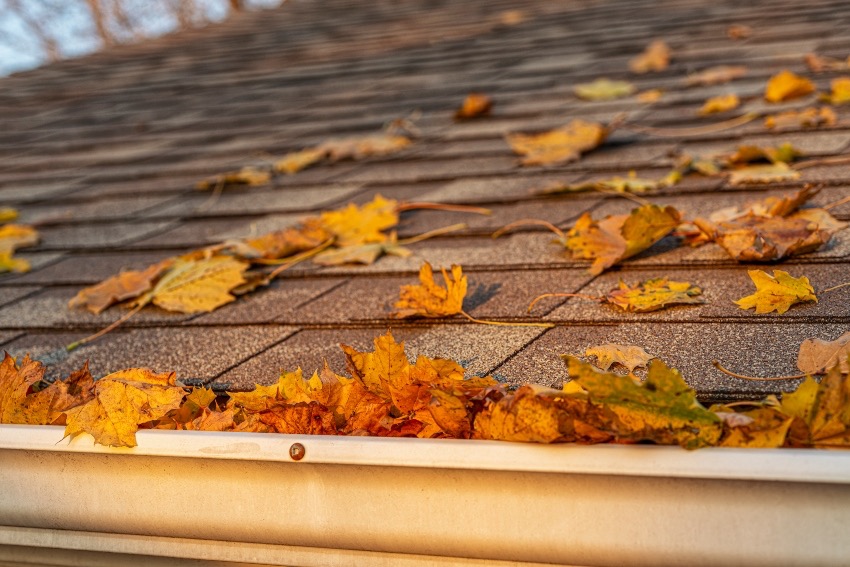
As leaves begin falling, gutters can quickly become clogged. When water can't drain properly, it may overflow or back up along the edge of the roof.
Before fall is in full swing, make sure gutters are securely attached and downspouts are draining properly. Once most of the leaves have fallen, another cleaning may be necessary before winter.
It's also a good time to look for sagging sections, loose fasteners, damaged downspouts, or areas where water isn't flowing toward the proper outlet.
4. Check Inside Your Attic
Some roofing problems are easier to identify from inside the home than from the ground.
If your attic is accessible, look for signs such as:
-
Water stains on the roof decking
-
Damp or discolored wood
-
Wet insulation
-
Visible daylight coming through unexpected areas
-
Musty odors
-
Signs of excessive moisture or condensation
Keep in mind that attic moisture doesn't always mean the roof itself is leaking. Poor ventilation, inadequate insulation, or improperly vented bathroom exhaust fans can also contribute to moisture problems.
Identifying the source before winter becomes important because colder temperatures can make condensation and moisture-related issues worse.
5. Make Sure Your Attic Has Proper Ventilation
Roof ventilation isn't something most homeowners think about when preparing for winter, but it plays an important role year-round.
A properly designed ventilation system allows outside air to enter through intake vents—commonly located at the soffits—and exit through exhaust ventilation near the top of the roof.
During colder months, proper ventilation helps manage heat and moisture inside the attic. Excessive attic heat can contribute to uneven snow melting on the roof, while excessive moisture can lead to condensation on the underside of the roof decking.
Ventilation works together with proper attic insulation, so problems in either system can affect the performance of the other.
6. Trim Overhanging Branches and Remove Debris
Trees provide shade and curb appeal, but branches hanging directly over a roof can create problems during fall and winter.
Leaves, sticks, and other debris can collect in valleys and gutters, where they hold moisture and interfere with proper drainage. Larger branches can scrape against shingles during windy conditions or fall onto the roof during storms and heavy snow.
Trimming problematic branches before winter can reduce these risks. For larger trees or branches near power lines, this work should be handled by a qualified tree professional rather than attempted by the homeowner.
7. Don't Ignore Small Leaks or Water Stains
A small ceiling stain or occasional drip may not seem urgent, but water showing up inside your home means moisture has already found a path through—or around—part of the roofing system.
Waiting until spring can allow a minor problem to become more serious.
Water intrusion can affect roof decking, insulation, drywall, and other building materials. Northeast Ohio's freezing temperatures can further complicate existing moisture problems as water repeatedly freezes and thaws.
If you've noticed a water stain, discoloration, peeling paint, or another unexplained sign of moisture, it's worth determining the cause before winter arrives.
Why Addressing Roof Problems Before Winter Matters
Winter isn't necessarily what causes every roofing problem, but it can expose and worsen weaknesses that already exist.
Snow, ice, wind, freezing temperatures, and repeated freeze-thaw cycles place additional stress on roofing materials. At the same time, shorter days and unpredictable weather can make certain repairs more difficult to schedule.
Taking care of a loose shingle, deteriorated flashing, clogged gutter, or small leak during mild weather is usually much easier than dealing with the same issue after snow and freezing temperatures arrive.
Get Your Roof Ready for the Seasons Ahead
Your roof doesn't need to look perfect to be ready for fall and winter, but it should be able to properly shed water, withstand changing weather conditions, and protect the structure underneath.
At M&T Roofing & Restoration, we believe preventative attention can go a long way toward extending the life of a roofing system. If you're unsure about the condition of your roof, a professional inspection can help identify potential concerns and determine whether any maintenance or repairs should be addressed before colder Northeast Ohio weather arrives.